Raw ackee is one of the most misunderstood fruits in the world. Jamaicans know exactly when it is safe to eat — but for UK diaspora communities buying fresh ackee or wondering about the canned version, the safety question comes up constantly.
The Science: Hypoglycin A
Raw, unripe ackee contains a toxin called hypoglycin A. This compound causes Jamaican Vomiting Sickness — a serious condition that can be fatal if enough unripe ackee is consumed. The toxin is concentrated in the arils and the seeds of unripe fruit. This is why fresh ackee is banned from import into the United States and why the UK tightly regulates fresh ackee imports.
When Is Raw Ackee Safe?
Raw ackee is only safe to eat once the fruit has naturally opened on the tree — this is called "blinking." A fully ripe, naturally opened ackee pod exposes three yellow arils and black seeds. At this point the hypoglycin A levels drop dramatically and the fruit is safe to prepare.
- Never force open an ackee pod
- Never eat ackee that hasn't opened naturally on the tree
- Never eat the seeds, the red inner lining, or any pink membrane — these remain toxic even in ripe fruit
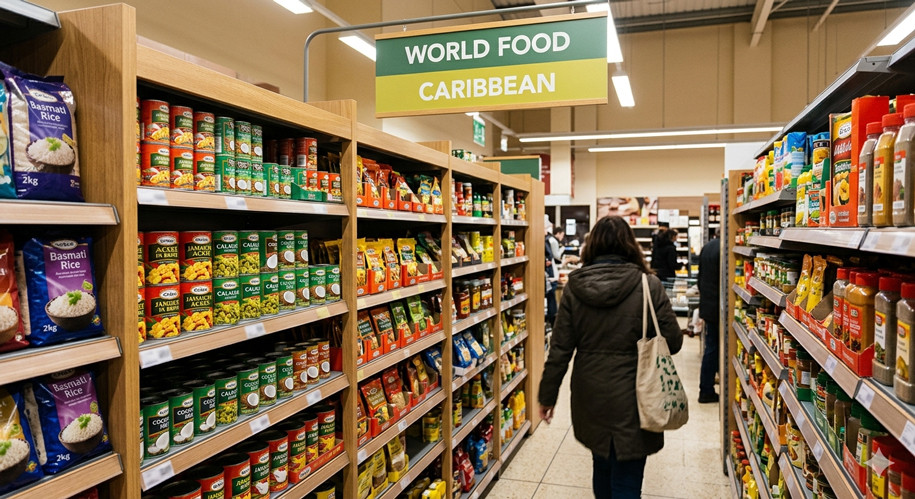
The safest ackee is properly sourced canned ackee — export certified and ready to cook.
Why Canned Ackee Is the Safest Option
Commercial canning eliminates the safety risk entirely. The heat processing used in producing canned ackee fully neutralises any remaining hypoglycin A. Every tin of ackee sold in the UK must meet strict food safety standards before it can be imported.
This is why canned ackee is the standard in British Jamaican households — it is safe, convenient, and when sourced correctly delivers the same firm buttery texture as properly prepared fresh ackee. Our parent brand 876BOX sources only export-certified domestic stock from Grace, Linstead Market, and Vineyard.
Ready to Cook the Real Thing?
Authentic Jamaican ackee — Grace, Linstead Market and Vineyard — delivered direct from Jamaica to your door. Better than anything in the supermarket.
Secure Your Crate →